
A Glimpse Into Eastgate’s Origins
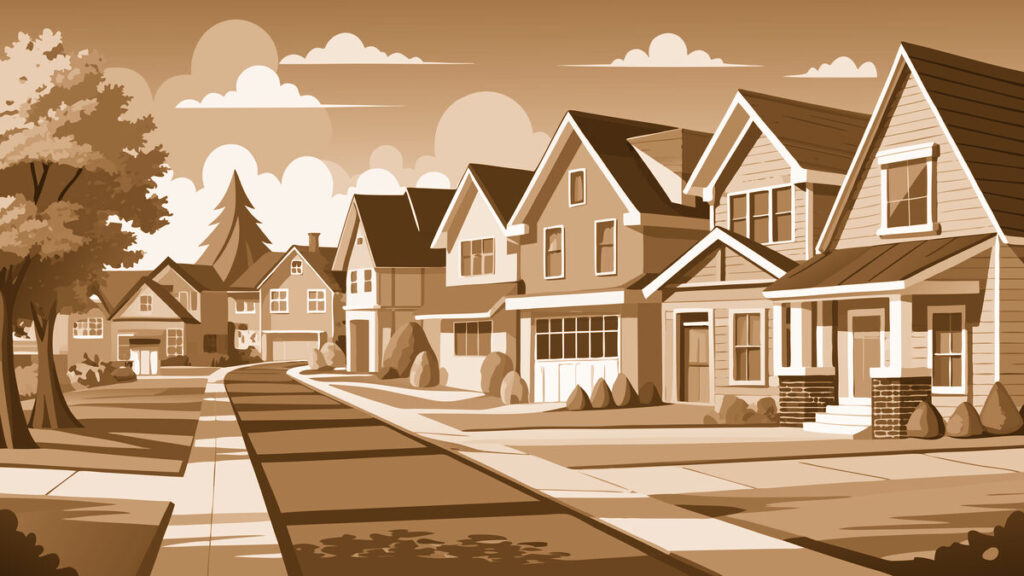
Tucked just east of Texas A&M University, the Eastgate neighborhood holds a special place in the tapestry of College Station, Texas. Its proximity to campus, its leafy streets, and the deep sense of community spirit make it more than just another residential area—it is a living piece of local history. For newcomers and longtime Aggies alike, Eastgate stands as a reminder of how tradition and progress can thrive side by side.
The story of Eastgate begins in the early- to mid-20th century. As Texas A&M grew from a small land-grant college into a world-renowned university, demand for nearby housing surged. Land developers saw potential in what was then the eastern fringe of College Station, and by the late 1930s and early 1940s, homes and businesses began appearing just beyond the campus boundary. Keenly positioned by the university’s “East Gate,” the community quickly adopted this name, a moniker that has stuck ever since.
How Eastgate Got Its Name
The “Eastgate” name is a direct nod to geography and university influence. The original east entrance to Texas A&M—where University Drive now meets Houston Street—became an informal hub for Aggies and residents moving between campus and the growing town. Back then, you’d often hear directions given in reference to the “east gate,” a phrase that blended into everyday speech. As a result, when homes sprouted up along Walton Drive, Pershing Avenue, and Foster Avenue, they naturally became part of what locals soon called Eastgate.
Key Historical Milestones
Eastgate has weathered incredible changes in both the university and College Station’s broader development. A few key milestones have shaped its legacy:
- 1940s–1950s: Post-war housing booms transformed Eastgate into one of the most desirable places for professors, staff, and even returning veterans attending A&M on the GI Bill.
- 1960s–1970s: The City of College Station expanded eastward, with Eastgate becoming a centerpiece in discussions about neighborhood preservation and urban planning.
- 1980s–1990s: The popularity of Aggie football and the growth of campus drew new waves of residents, blending generations and backgrounds.
- 2000s-Present: Eastgate saw a revival of interest in mid-century homes, with restoration projects preserving the neighborhood’s original architectural charm. At the same time, modern living needs ushered in updates while maintaining its unmistakable character.
Notable Landmarks and Institutions
Part of Eastgate’s magic is the way unique landmarks and institutions endure. Here are just a few that give flavor to the neighborhood:
- Eastgate Park: Nestled on Foster Avenue, Eastgate Park is more than green space; it’s a gathering spot for family picnics, little league games, and the annual neighborhood Easter egg hunt.
- College Hills Elementary School: Located at 1101 Williams Street, this pillar of education has served generations, fostering a strong sense of community and continuity.
- St. Thomas Aquinas Catholic Church: A beloved institution at 2541 Earl Rudder Freeway, this church has stood for decades as a hub for spiritual life and service within College Station.
- Historic Homes: Drive down Pershing Avenue or Lee Avenue and you’ll see sturdy 1940s brick cottages and bungalows with lovingly tended gardens, reminders of the neighborhood’s enduring spirit.
- Nearby Commercial Hub: The bustling intersection at University Drive and Texas Avenue forms a commercial heartbeat, with iconic spots like Layne’s Chicken Fingers and numerous longtime local haunts.
Community Spirit and Cultural Traditions
If you spend time in Eastgate, you’ll notice the neighborhood feel—an easy camaraderie among residents that spans decades. Block parties, yard sales, and holiday parades aren’t just planned events—they’re cherished traditions. This is the kind of place where porch lights burn softly into the evening and neighbors greet each other by name during evening strolls.
Longtime institutions, such as the Eastgate Neighborhood Association, work hard to preserve this character, advocating for responsible growth and the well-being of residents, both new and established. Each spring, volunteers can be seen tidying up the park, organizing outdoor movie nights, or even lending a hand at the annual “Eastgate Plant Swap.”
Eastgate in the Modern Era
As College Station booms, Eastgate continues to evolve. Young families find it appealing for its walkability to campus and top-rated schools, while professionals value the quiet streets and easy access to amenities. Many historic homes have been tastefully updated, blending modern comforts with classic design. Recent years have also seen increased emphasis on sustainability and green space preservation, ensuring future generations will enjoy the same shaded streets and lively parks.
With its mix of older homes and newer residents, Eastgate nurtures a diverse, welcoming atmosphere. Its houses stand as testaments to eras past, yet life here feels as fresh as ever. Students, retirees, young professionals, and families share a common bond: a deep pride in the place they call home.
Streets That Tell a Story
Certain roads sum up the evolution of Eastgate:
- Walton Drive: Once a modest lane, now a central stretch lined with mature oaks and an eclectic array of homes.
- Foster Avenue: Home to the park and the nerve-center of neighborhood events, where laughter echoes on warm Saturday afternoons.
- Pershing Avenue: With its charming brick homes, a walk down Pershing feels like stepping back in time.
- Lincoln Avenue: Often bustling with kids heading to school or riding bikes, it captures the everyday beauty of life in Eastgate.
A Lasting Legacy
Eastgate’s story is one of adaptability, pride, and unity. Whether you’re sipping coffee under your porch awning, cheering on the Aggies just down the road, or reading under the sprawling shade of an old oak at Eastgate Park, you become part of something larger than yourself—a legacy of community that continues to shape the heart of College Station.
For all who have called Eastgate home, and for those just arriving, this neighborhood remains more than an address. It’s a place where history, heritage, and heartfelt connection endure.